Below is my initial plan for this unit:

Keeping a habit of sketching every day was sometimes challenging. It is easy to be distracted or run out of time. However, this project has definitely encouraged me to sketch on a regular basis. It has given me the opportunity to experiment further with watercolour, coloured paper, sketching while commuting, life drawing, etc. I have seen that sketching for as little as 10 minutes could be beneficial in the long run.
As a consequence of this exercise, I have gained some confidence, and I can see the benefits throughout my practice.
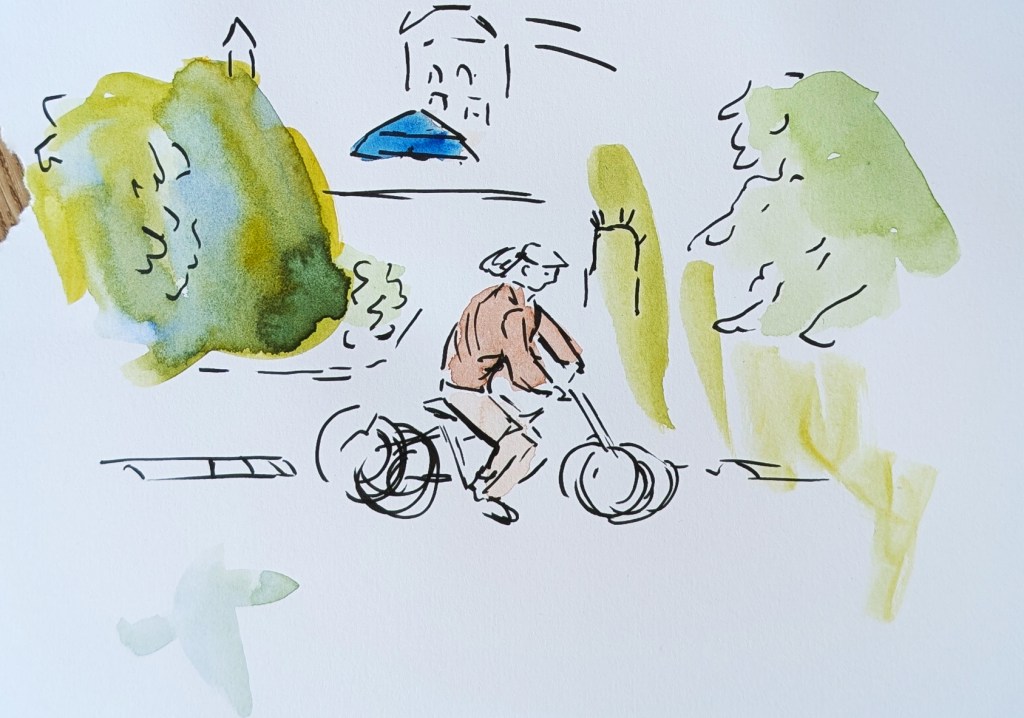
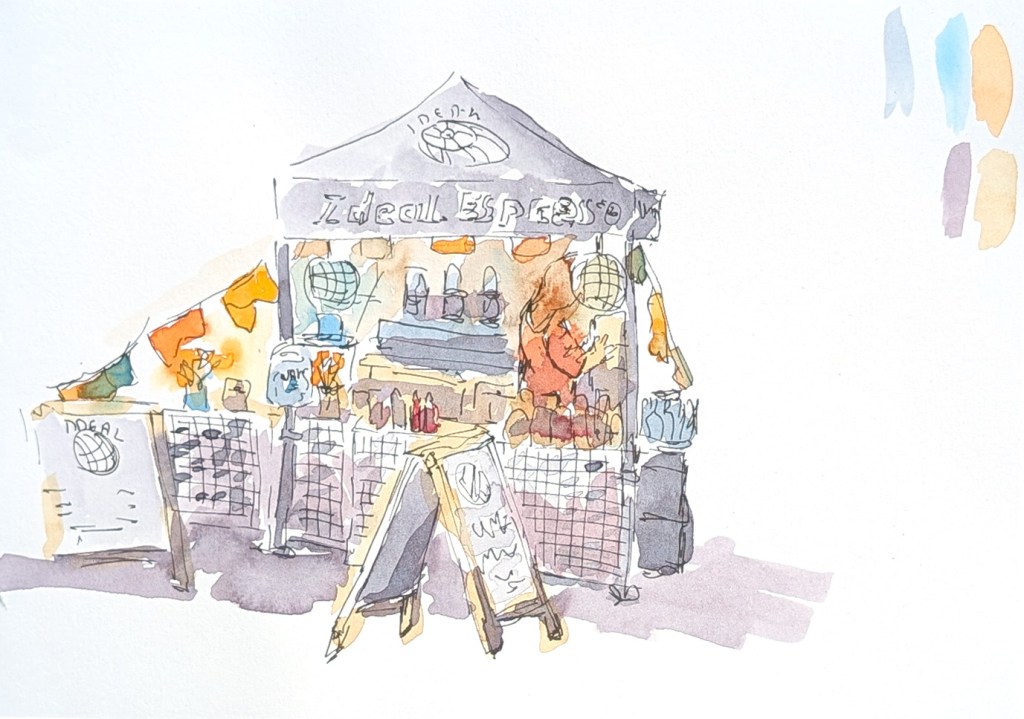
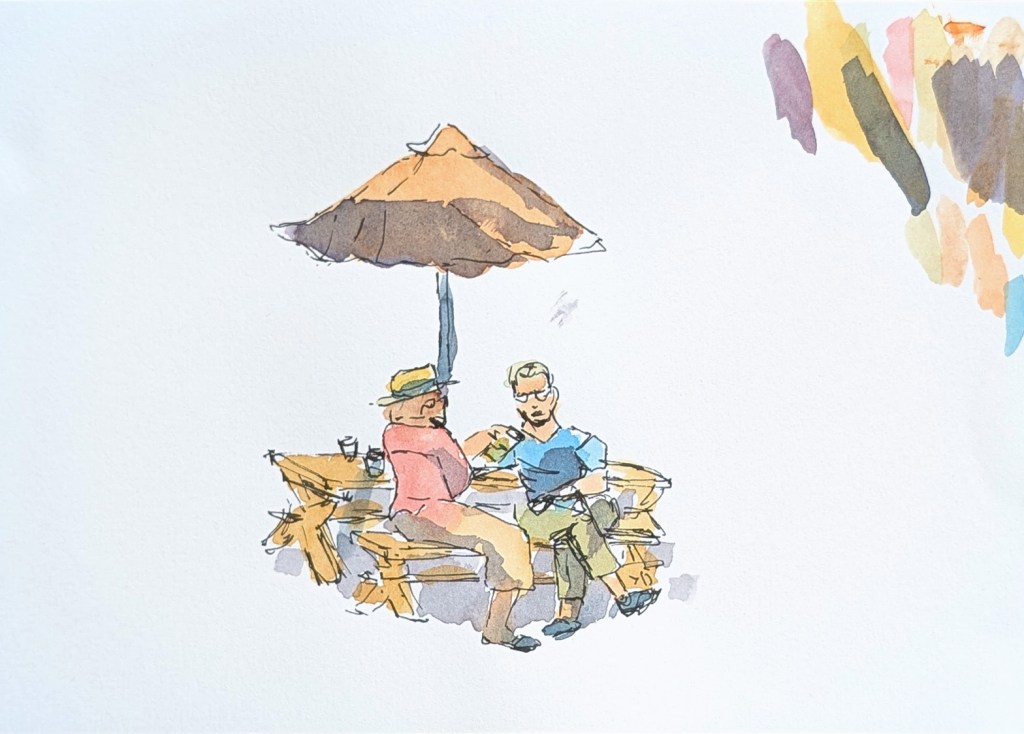
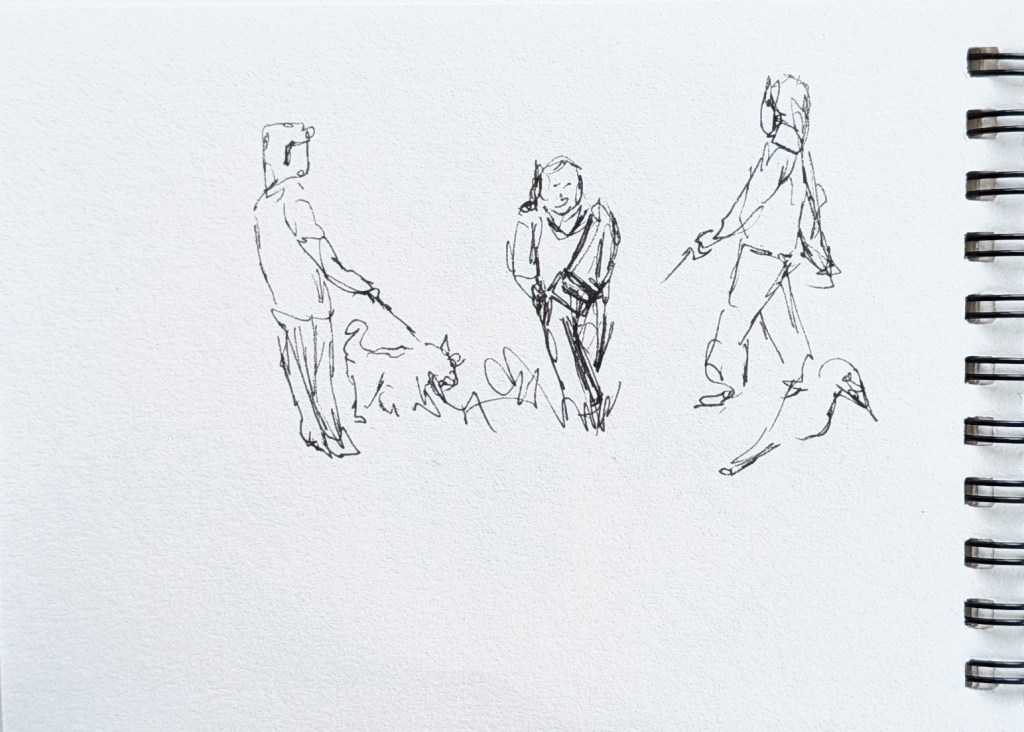
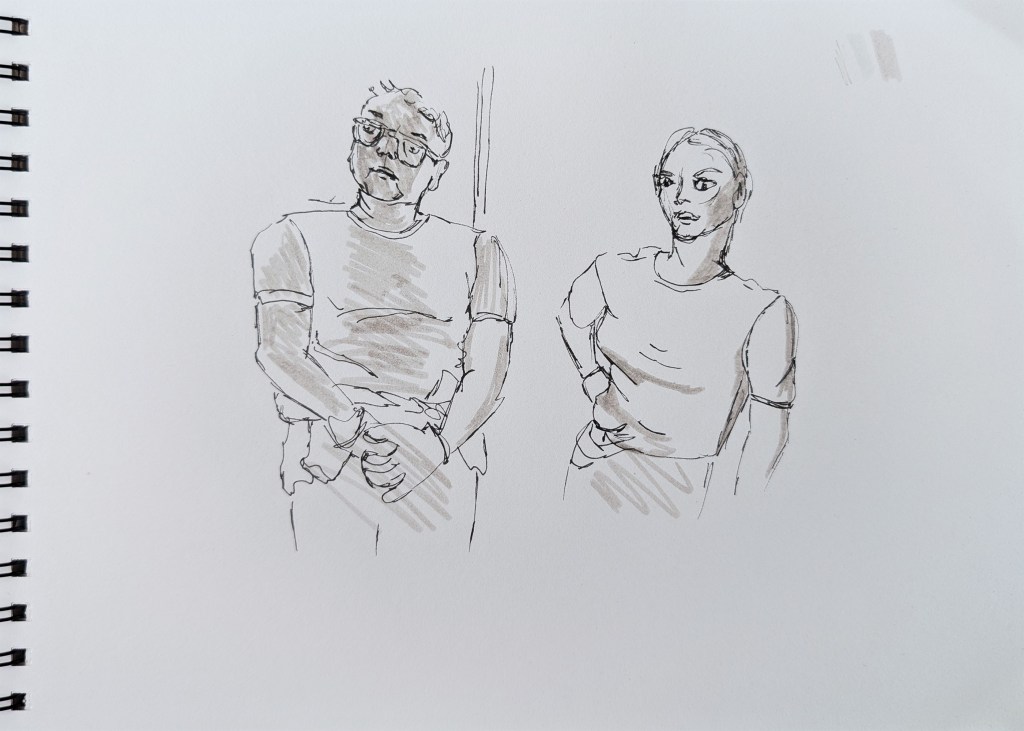
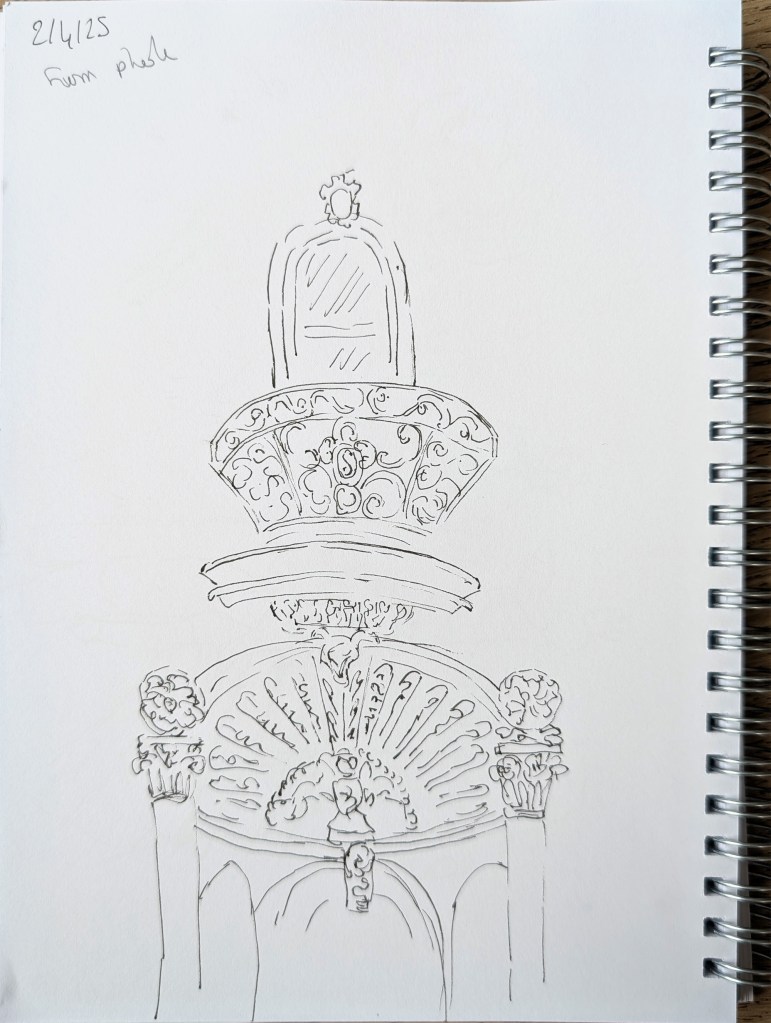
Below are some of the sketches I created as part of project 1 (for more details, see https://catherinerouxillustrationdegree.uk/illustration-year-3/project-1-sketching/everyday-sketching-update-feedback-point-10/).



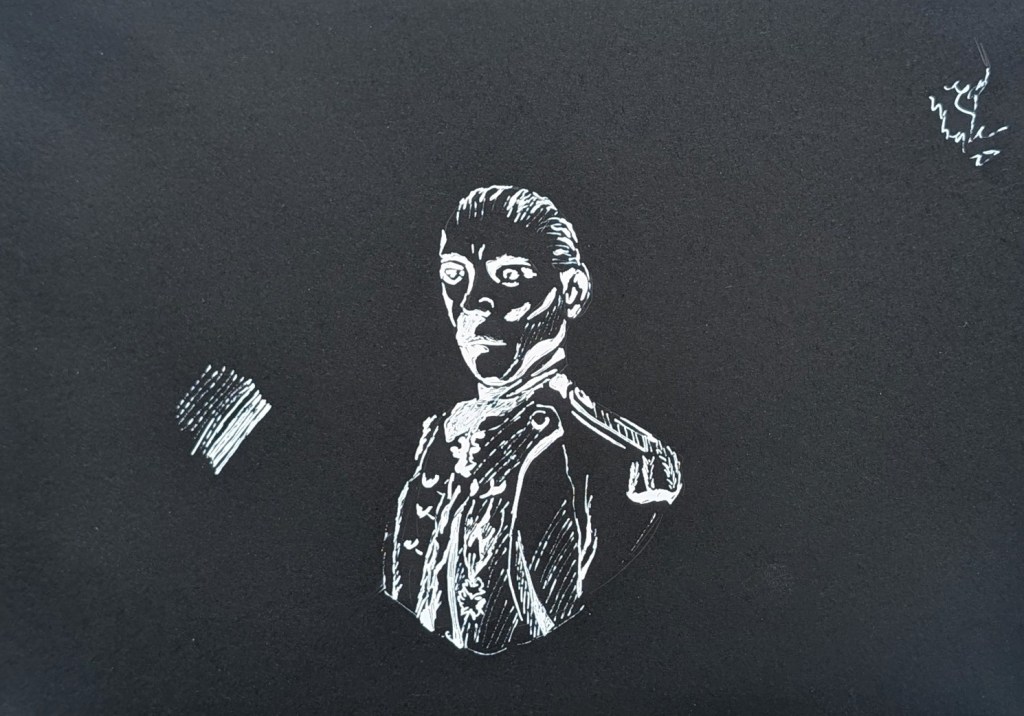
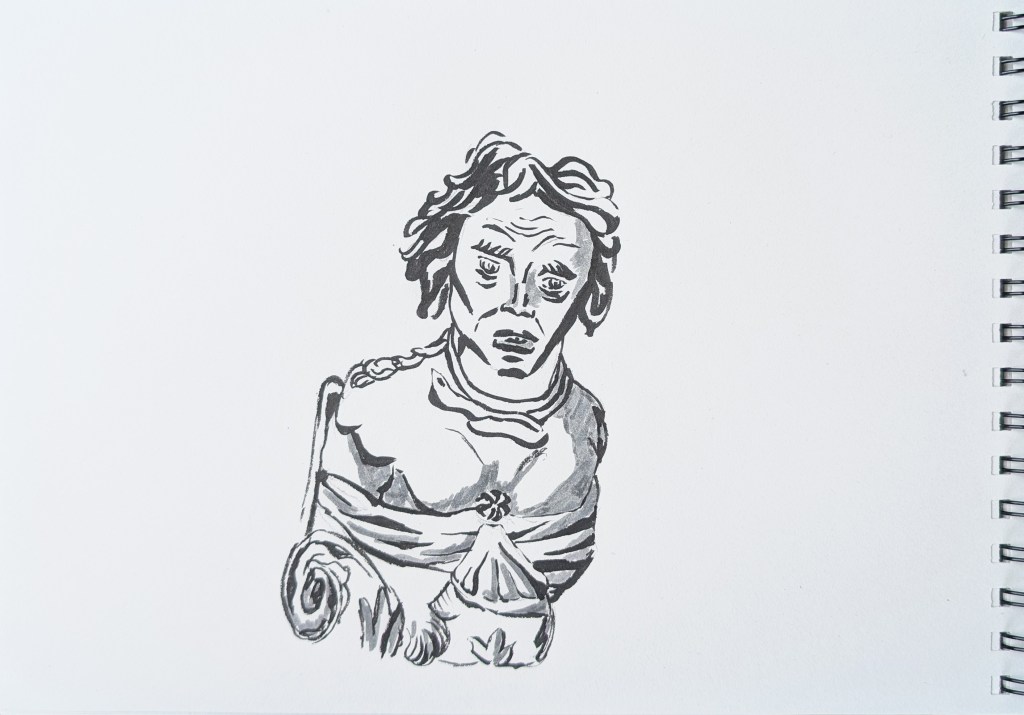

Focussing on parts of the process involved in creating an illustration as part of project 2 has helped me in many ways for project 3 (creating a series of editorial illustrations). Everything I have learned through my research and practice about backgrounds, colours and contrast, characters and digital painting techniques came together in project 3. When I had to create backgrounds for the final illustrations for instance, I could understand better what mattered, and, more importantly, I knew that I could create a complex background with different layers if this was relevant to the story.
In fact, the three projects became more and more interconnected. I realised how I could use my sketchbook better to achieve more dynamic digital illustrations. Before deciding on the composition for the last digital illustration, I tested several options by creating drawings with watercolour. For this, I took inspiration from sketches I had done as part of project 1. This technique helped me to choose a better composition, decide what elements I wanted to keep in the final illustration and obtain a better outcome.

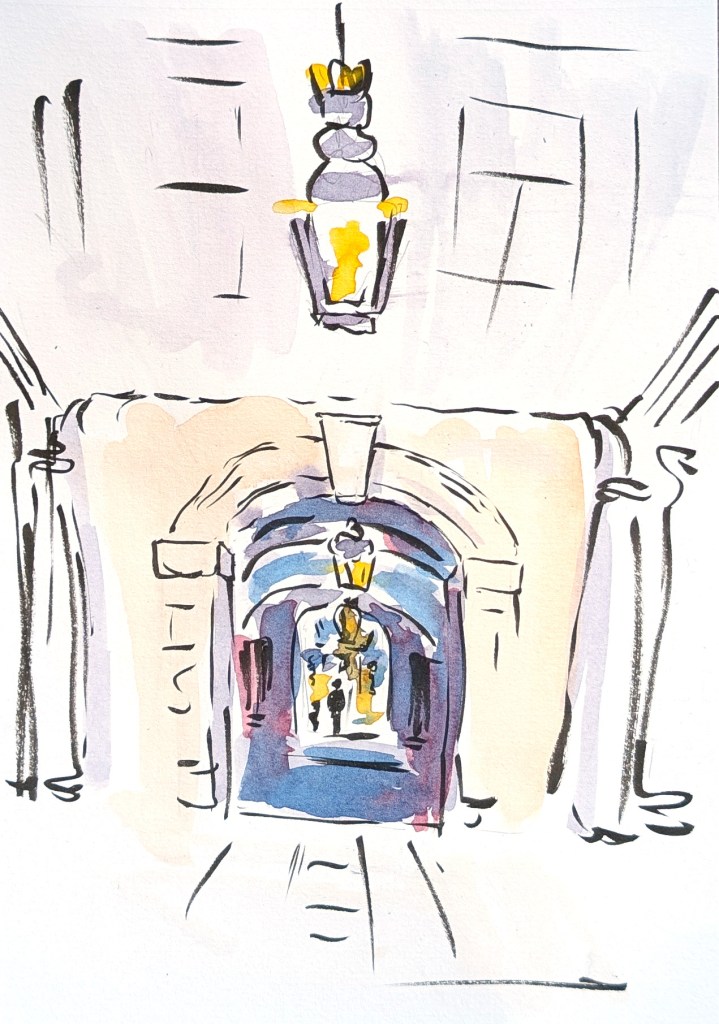
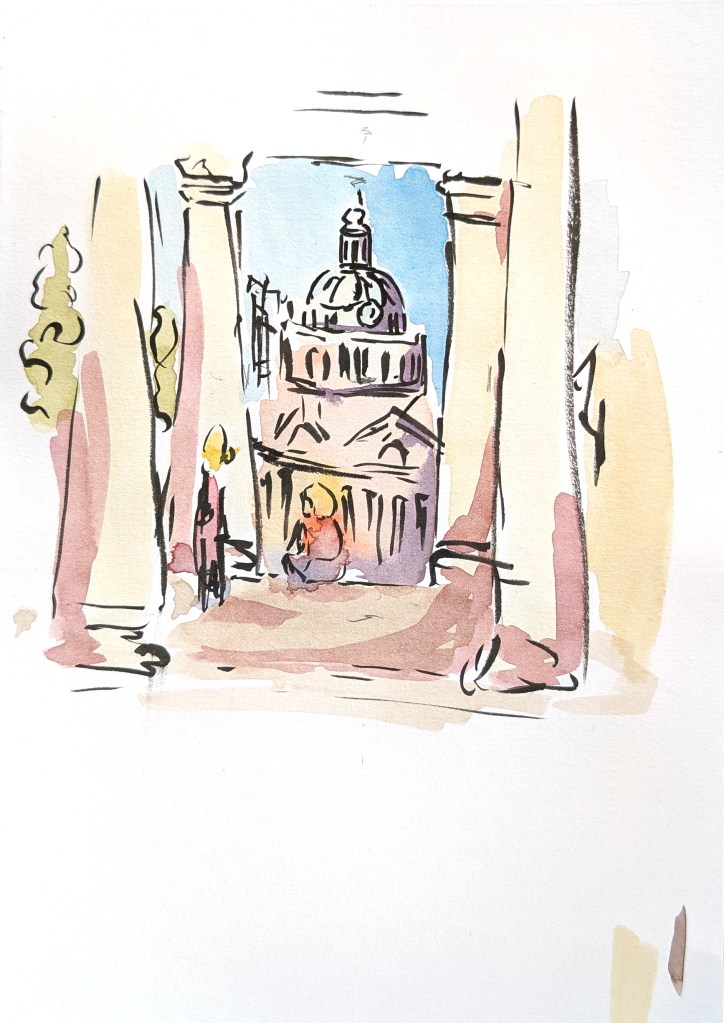
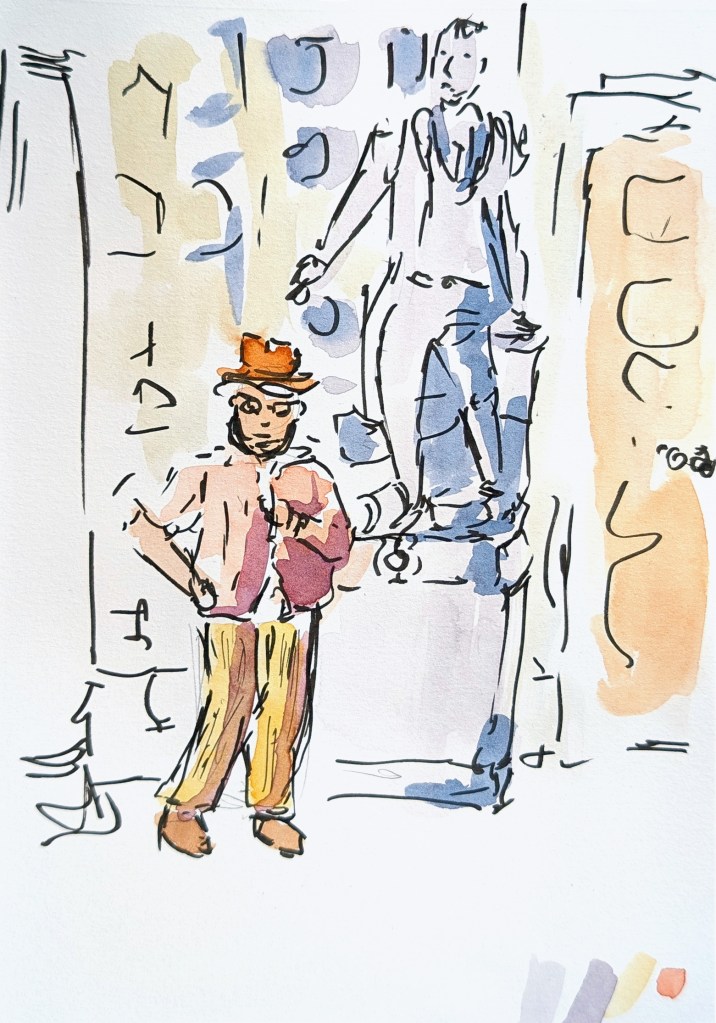
I feel that there is more cohesion with my work in general, as if I am reducing the gap between my sketches and my final illustrations.
I enjoyed experimenting with different options as part of project 3 in order to tell different stories around Greenwich, history and time (see also https://catherinerouxillustrationdegree.uk/illustration-year-3/project-3-make-connections-and-create-a-series-of-editorial-illustrations/project-3-update-feedback-10/):
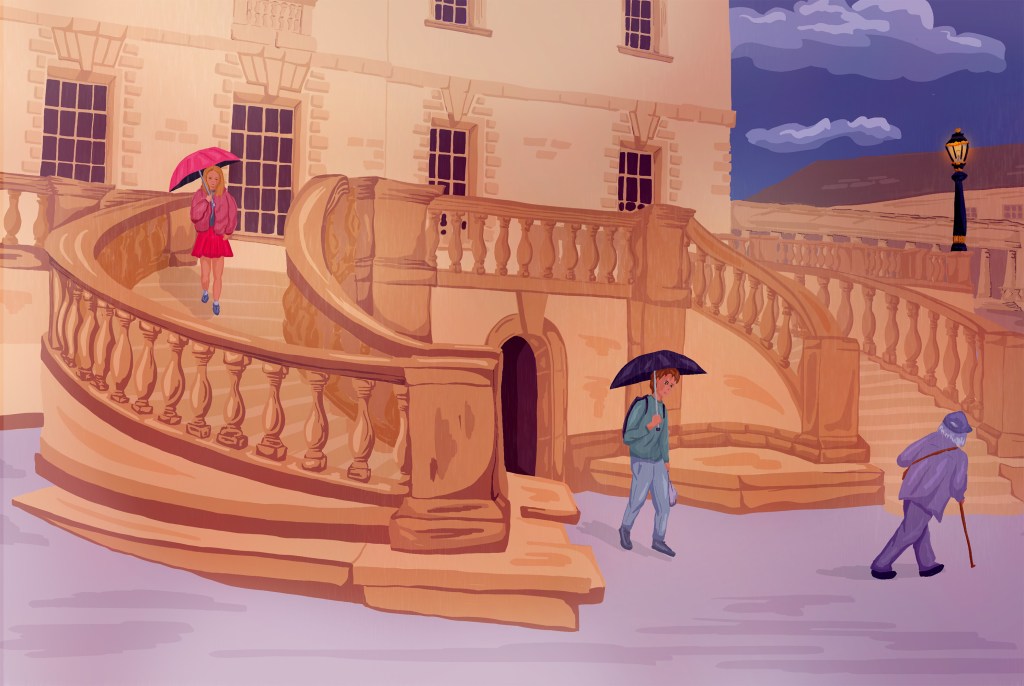
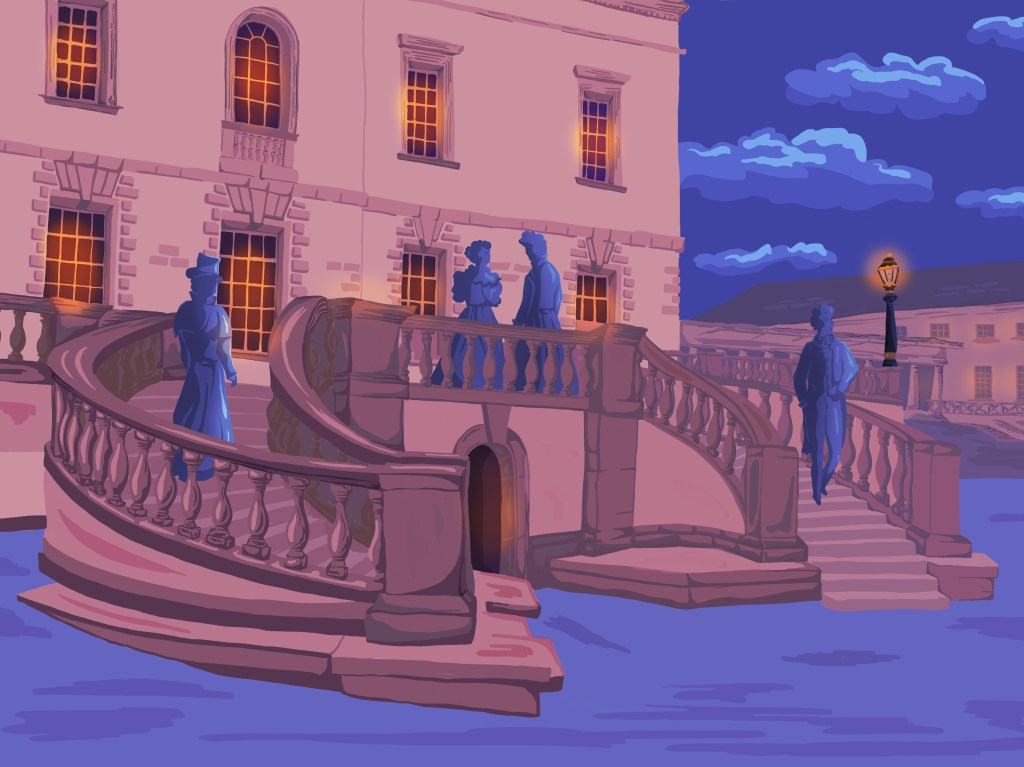
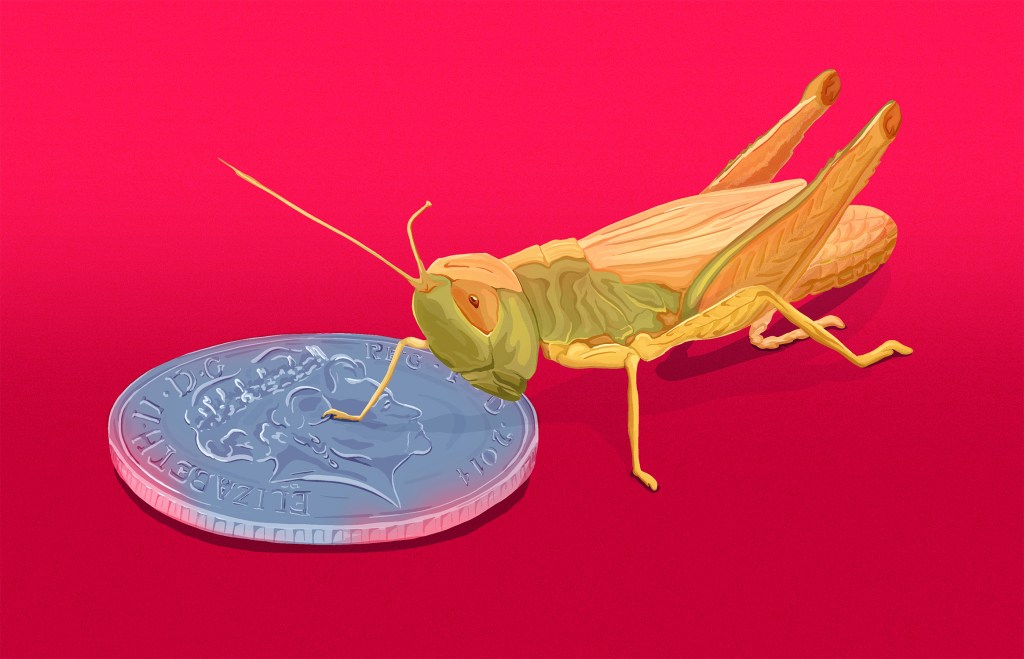
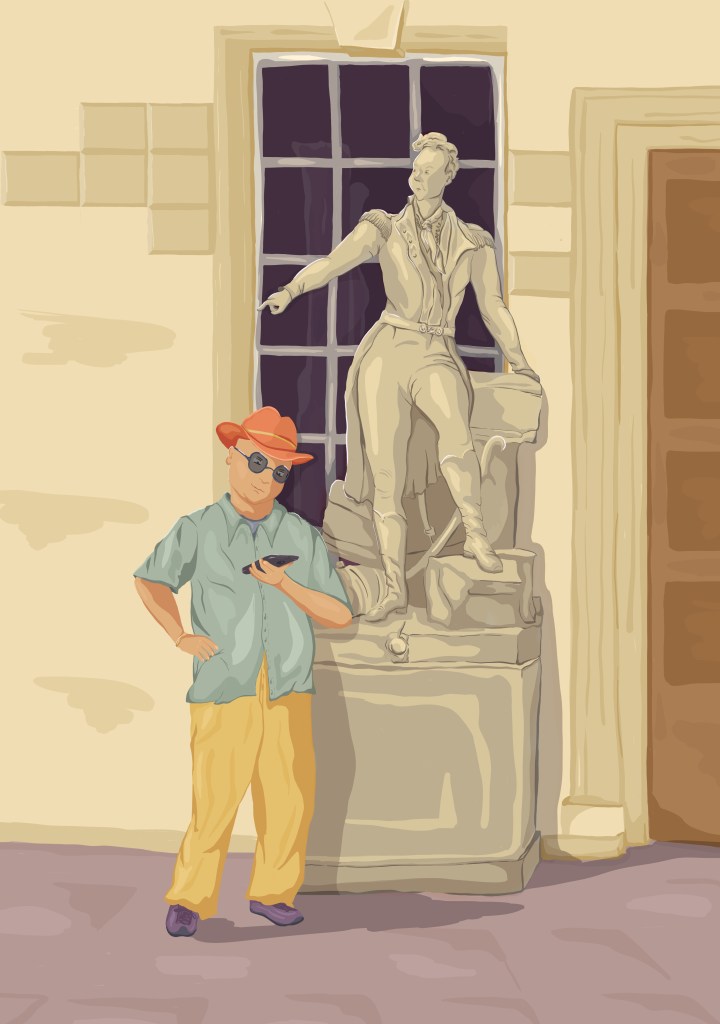
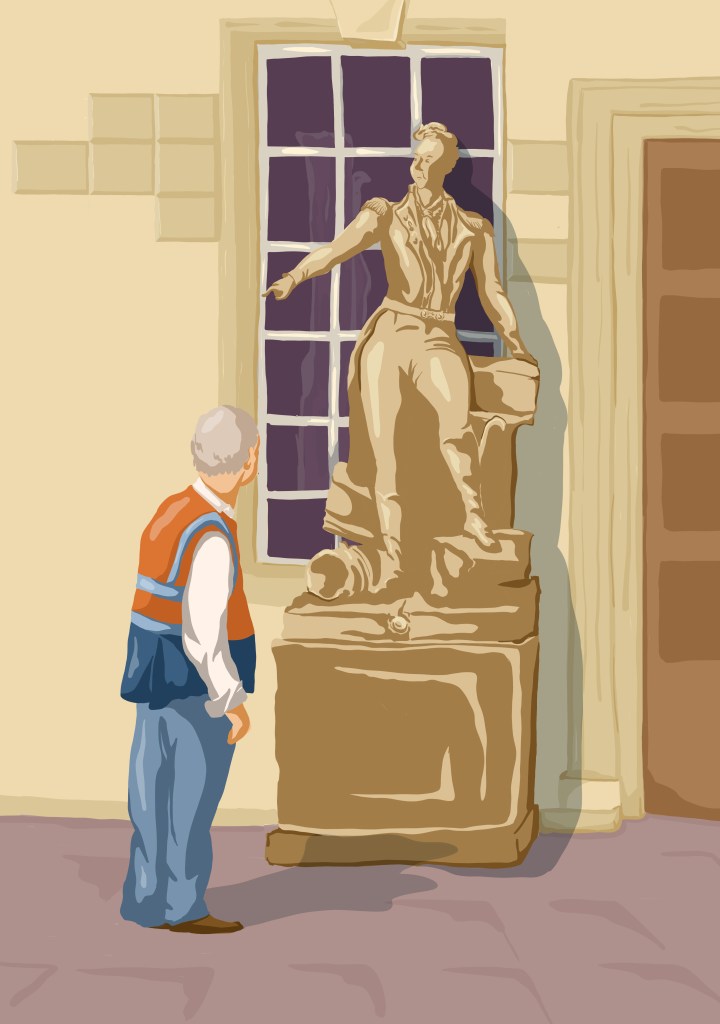
When I look at illustrations I created previously, I can see the progress I have made. I used to either create vector images where the lines were a bit rigid, or illustrations in Photoshop or Procreate where I struggled between different techniques. My images tended to lack contrast and focus. Backgrounds and secondary characters were often neglected.
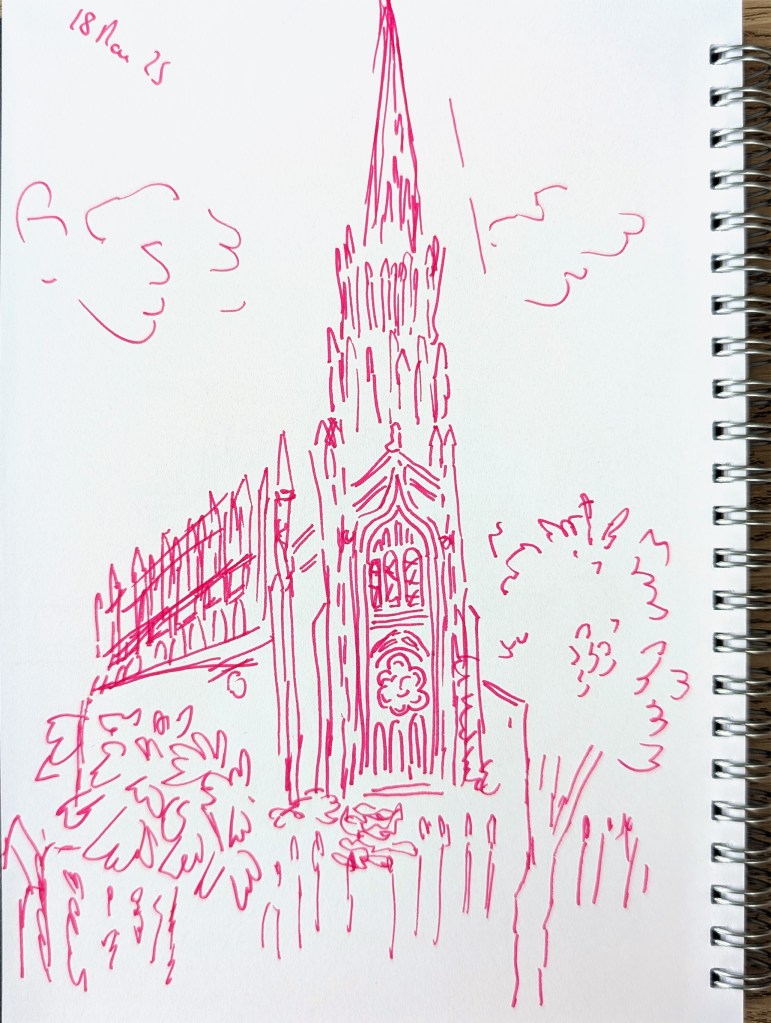
I have also noticed how some elements are recurrent in my illustrations and sketches. I enjoy drawing buildings with intricate details for instance.

I also like sketching busy scenes, but I need more practice in that area. This is something I might focus on as part of my regular sketching habit.
I chose a subject for the dissertation that would inform my practice: stylisation and editorial illustrations. I would like to let go and bring more stylisation to my illustrations, but I often worry that my lines might not be accurate enough and, as a result, I loose some of the spontaneity of the original sketch in search for accuracy. The research I have carried out for the dissertation has already helped me in that respect. It has been inspiring to see how illustrators approach stylisation and useful to understand better how they found their style.
The research I have conducted for the three projects has played an essential part in my progress. I used to struggle to link my research with my work. I am now more practical and wonder how I can use what I have discovered or observed.
In terms of timing, I often underestimate how long a task might take and this is something I need to be aware of. However, when I look at the original plan, I am happy with the outcome. In a sense, I am also happy that I sometimes made some adjustments as I made new discoveries. For instance, for project 3, I first planned to complete the illustrations in a certain style, but my experimentation took me in a slightly different direction, and it was worth it.
I feel that the work and research I have completed within this unit has opened new avenues and possibilities in terms of experimentation. I will try to keep sketching regularly, and want to connect my sketches and digital work even more.
Edit
Following my tutor’s feedback, I decided to create a timeline to have a better overview of the research I had carried out and the work I had completed for this unit.
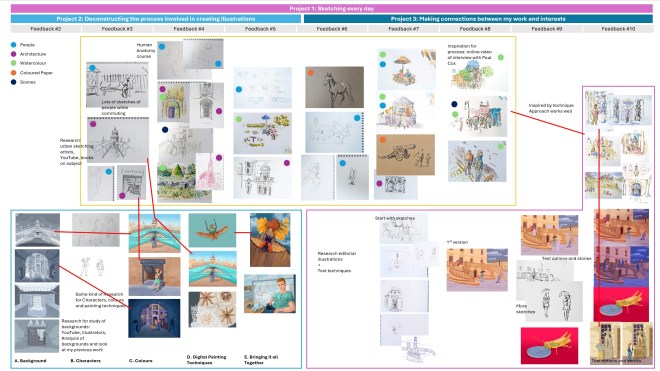
I added a legend as well as some notes and connection lines to have a better understanding of the techniques and themes explored and to see where my inspiration came from.
I knew that sketching everyday had helped me with my digital work, but I had forgotten how much I had taken inspiration from quick sketches to create full illustrations. It is a good reminder that sketching everyday is not only a way to gain confidence and improve my skills in that area. It is also an opportunity to create references I can use at a later stage.
It has been interesting to look at what is not in the timeline. It has enabled me to be more aware of challenges I encounter and to think of a way to overcome these hurdles. It has also given me a few pointers about how to carry on with my practice in the future.
I was aware that I had not sketched busy scenes with people very often. When I think about it, I can see that I find such scenes a bit daunting and that the biggest challenge is probably to decide what to leave out. However, when I looked at a particular drawing that I was happy with, I remembered that at the time, I focussed on what to keep and not what to leave out and it worked well.
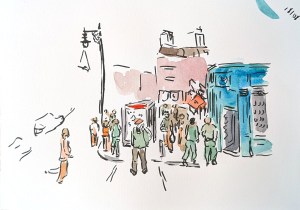
I would like to spend more time sketching similar scenes as I enjoyed the process and feel it would be a good exercise to gain more confidence.
Another thing that is missing in my work for this part of the course is sketching from imagination and doodling. I sometimes doodle while doing something else, and a few times, I even took a picture of a doodle created on a piece of paper because I liked the outcome, but I do not devote time to do it “on purpose”. I do not spend much time on exploring stylisation either even though it is a subject I am interested in. I even chose to explore it further for my dissertation. A part of me still feel that if I do not sketch from reference and aim for accuracy, I do not “improve”. I will explore ways to insert drawing from imagination, doodling and playing with stylisation in my regular practice. I could for instance create many doodles and sketches from imagination and see how some of these drawings could be a source of inspiration for final illustrations.
Overcoming the challenges I have identified with the timeline would help me with two of my objectives. Keep bridging the gap between initial sketches and final illustrations and add more life and creativity to my final work.
 Catherine Roux Degree in Illustration