For this exercise, I decided to go on my usual walk and draw.
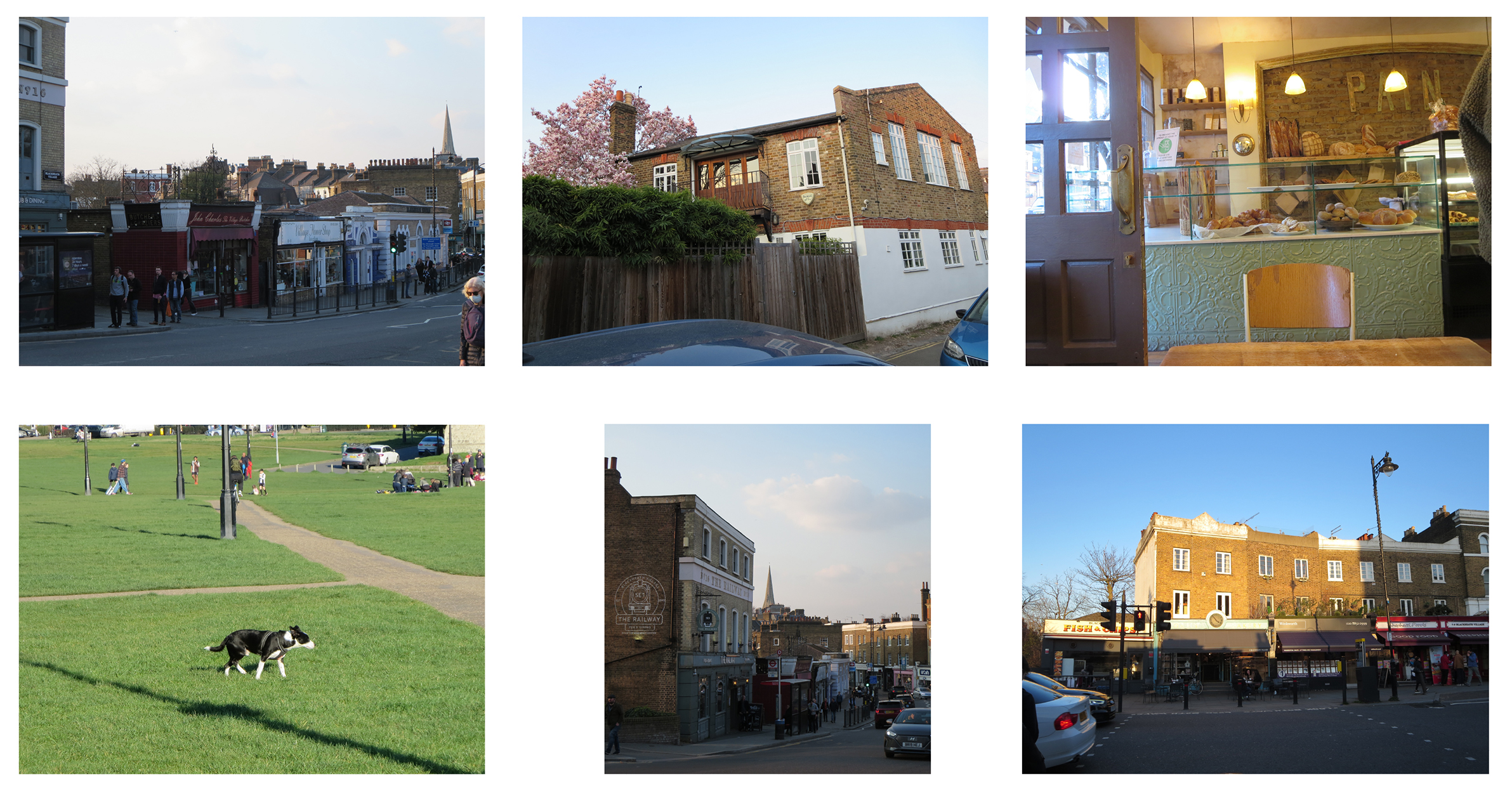
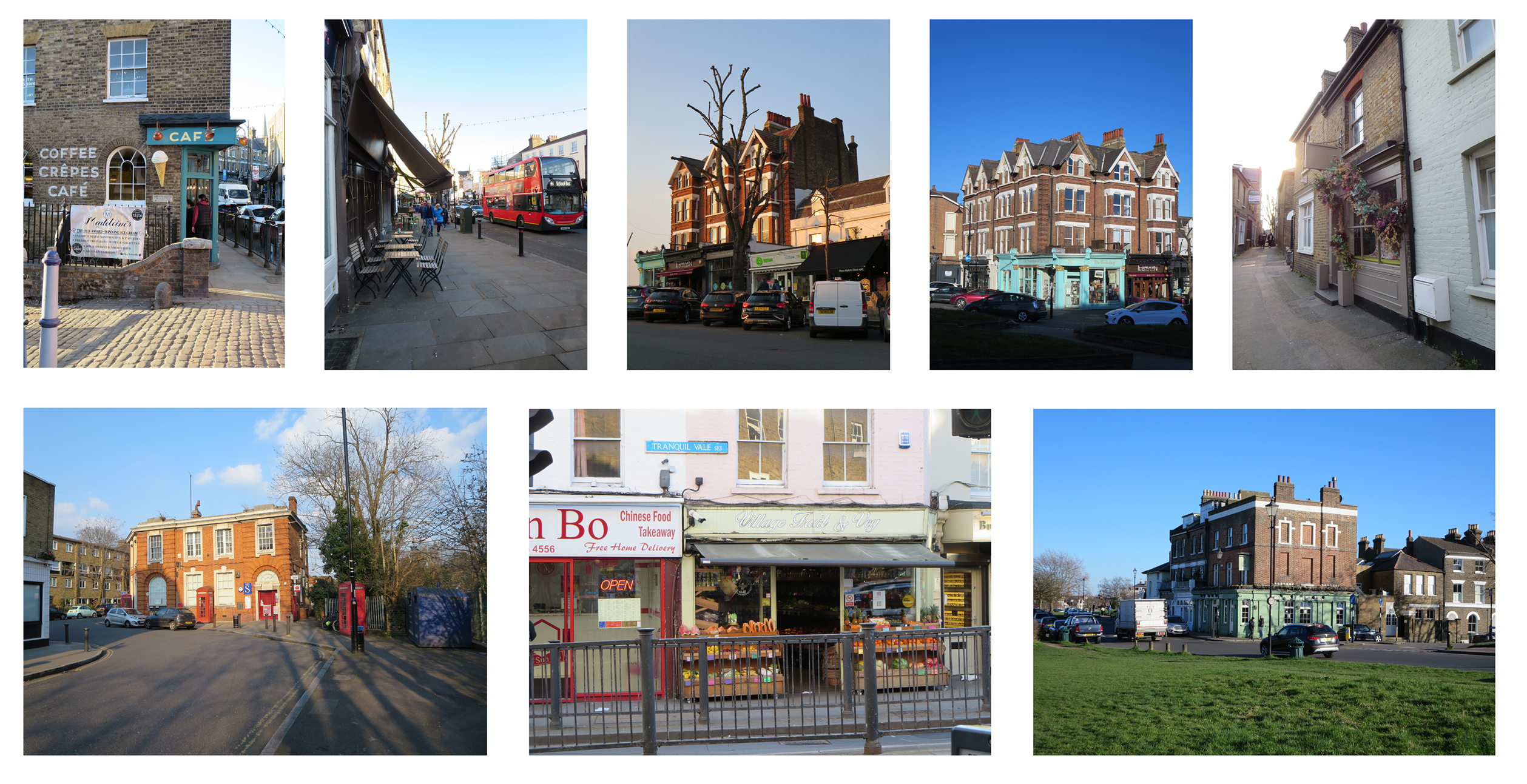
I also took pictures to keep as reference in case I decided to complete a drawing or try a new version of the same place at a later stage. Sometimes I passed places where I would have liked to stop but that was not practical. Taking pictures meant that I could sketch from a photo later on.
Here are some of the pictures I took.

I had not drawn on location recently and although this is something I enjoy, I always find it daunting at first. I went out with my sketchbooks a few times to create these drawings. I used an A5 sketchbook as I find it easier to use when not at home.
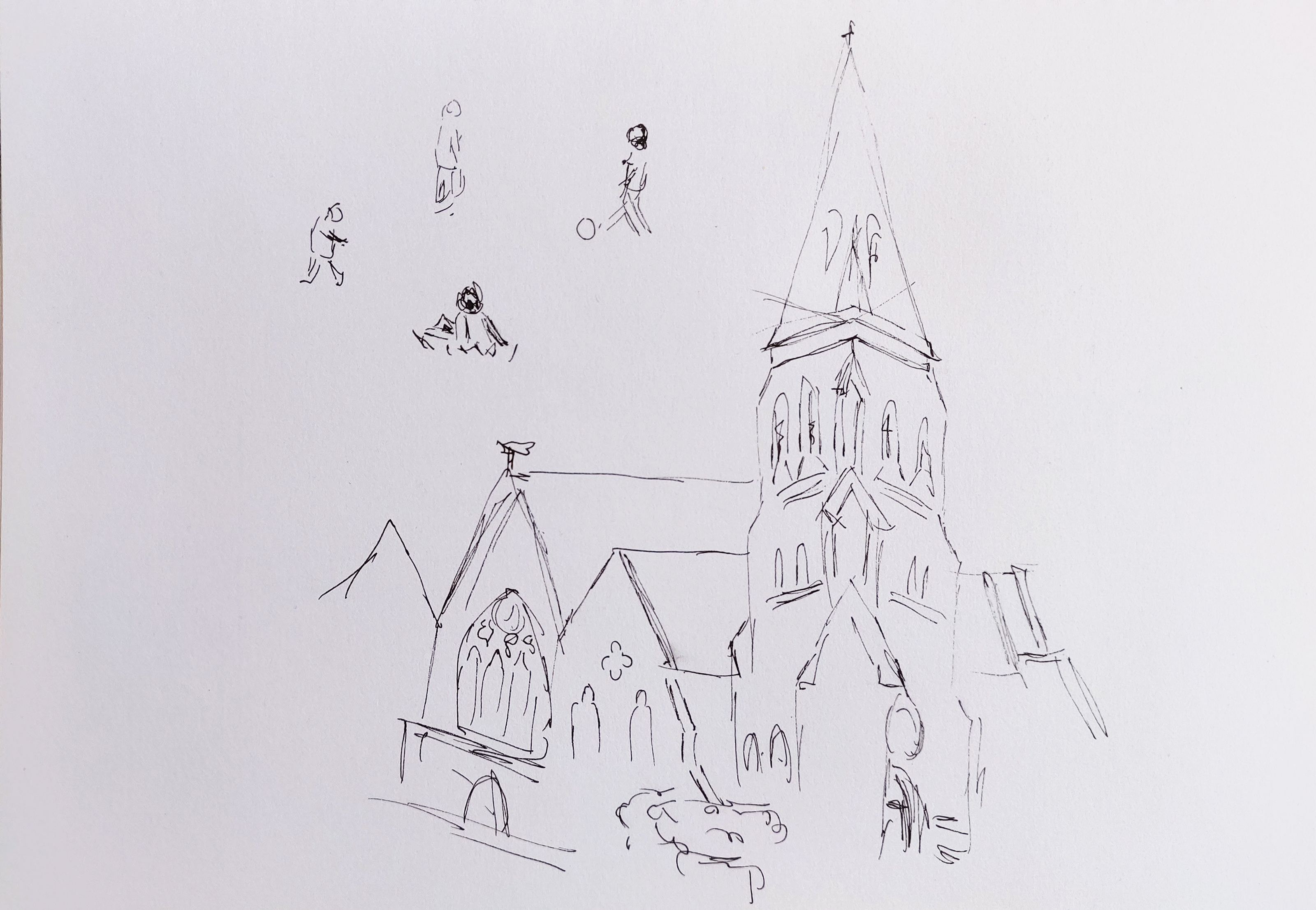

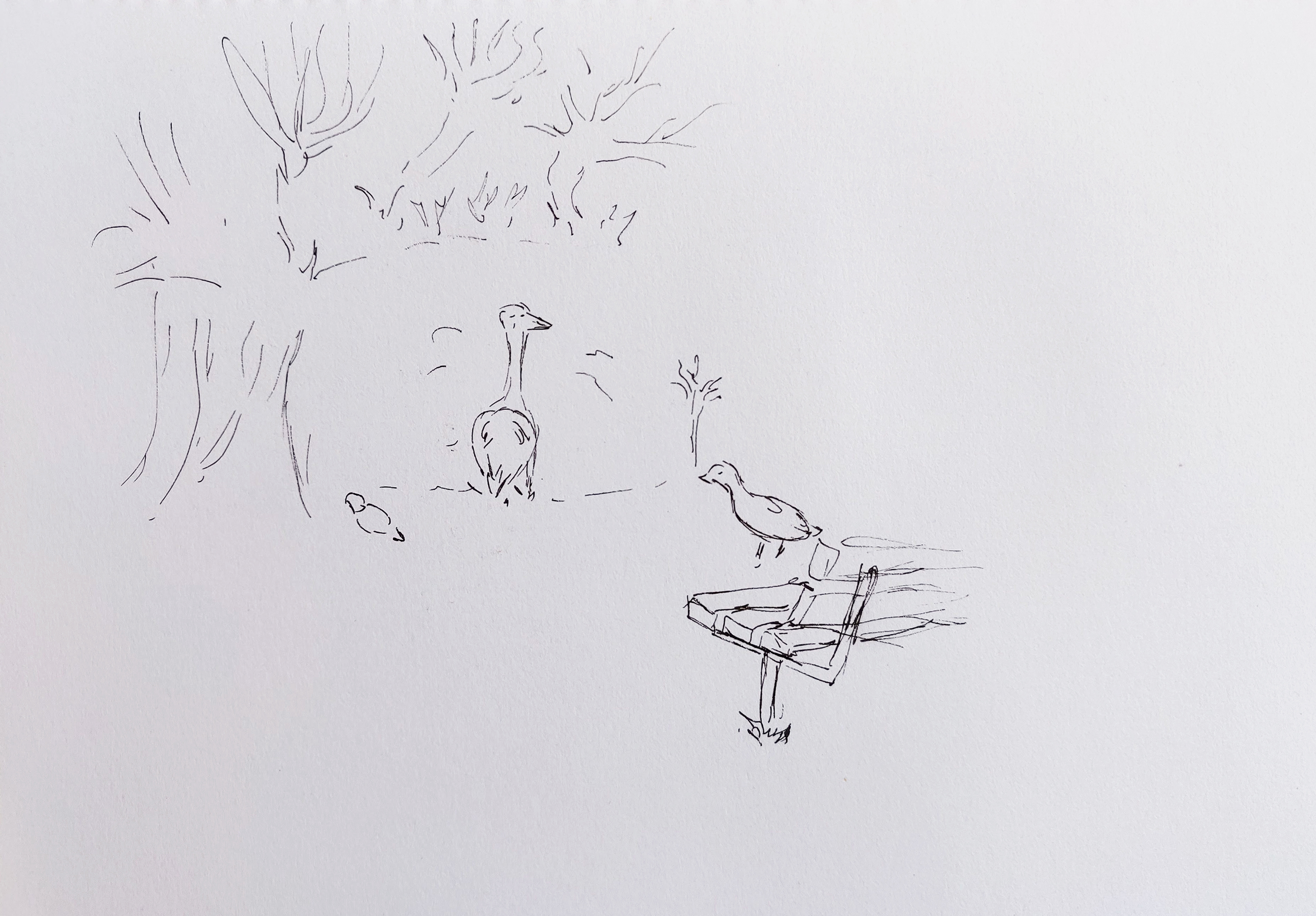
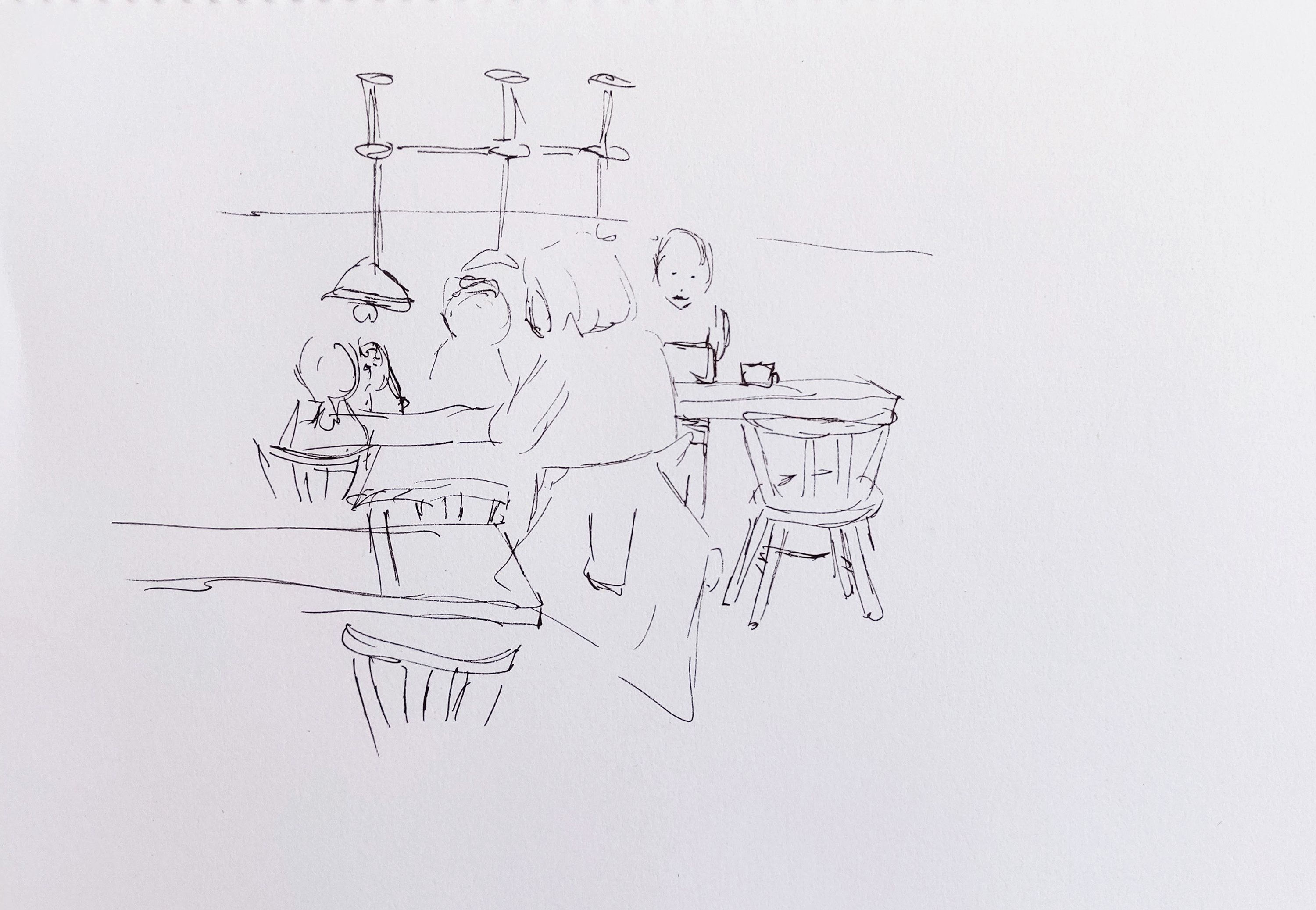
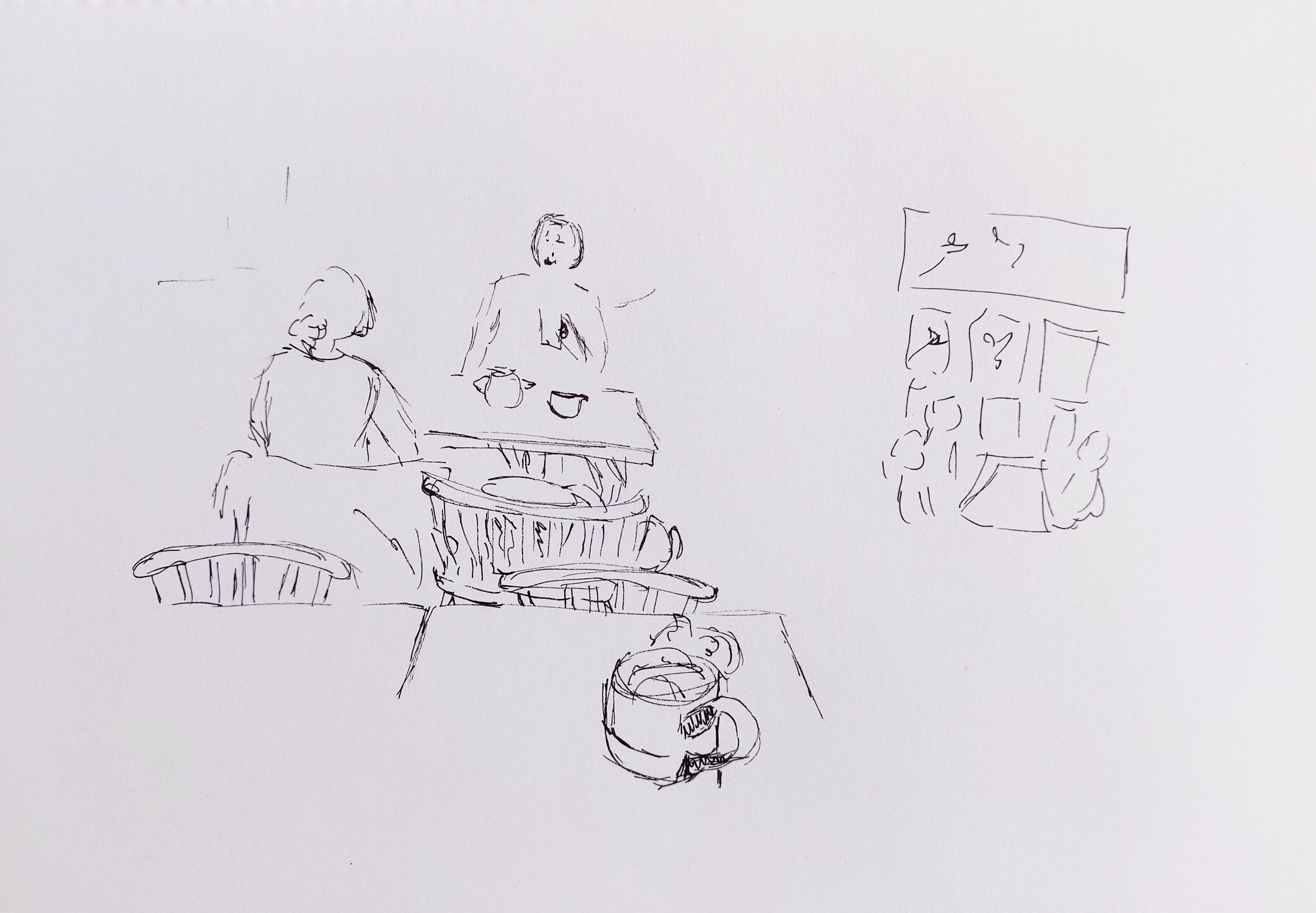
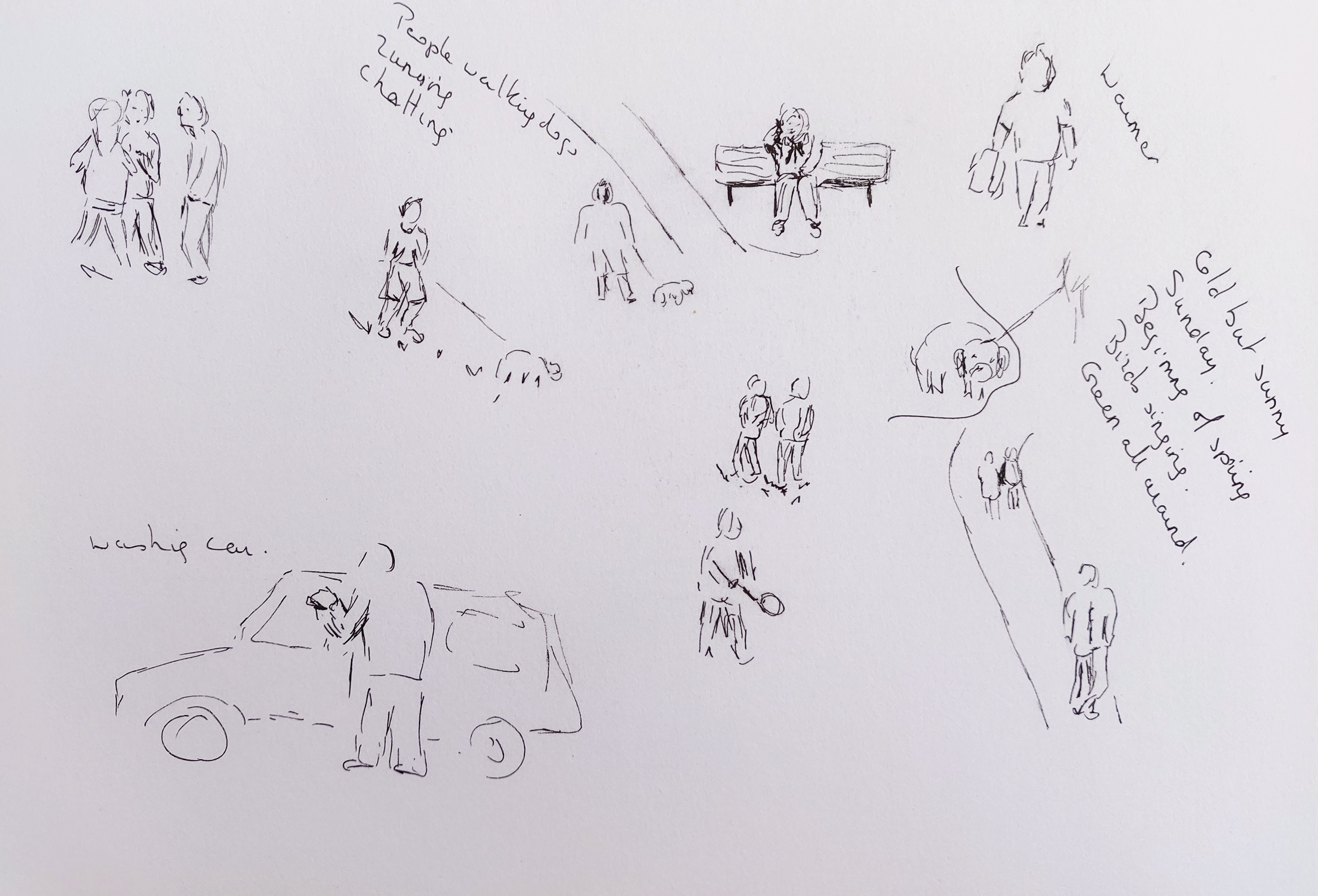
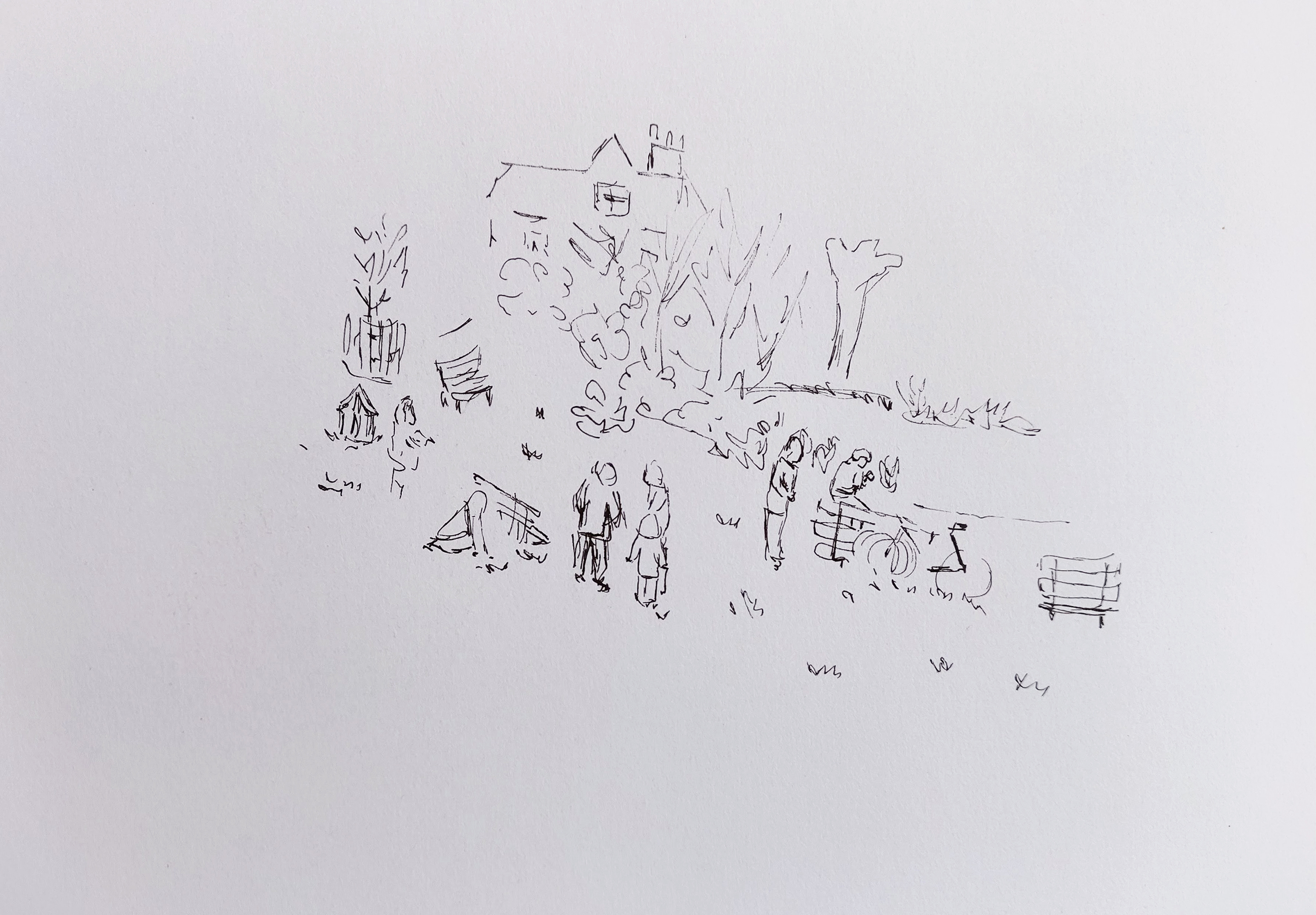


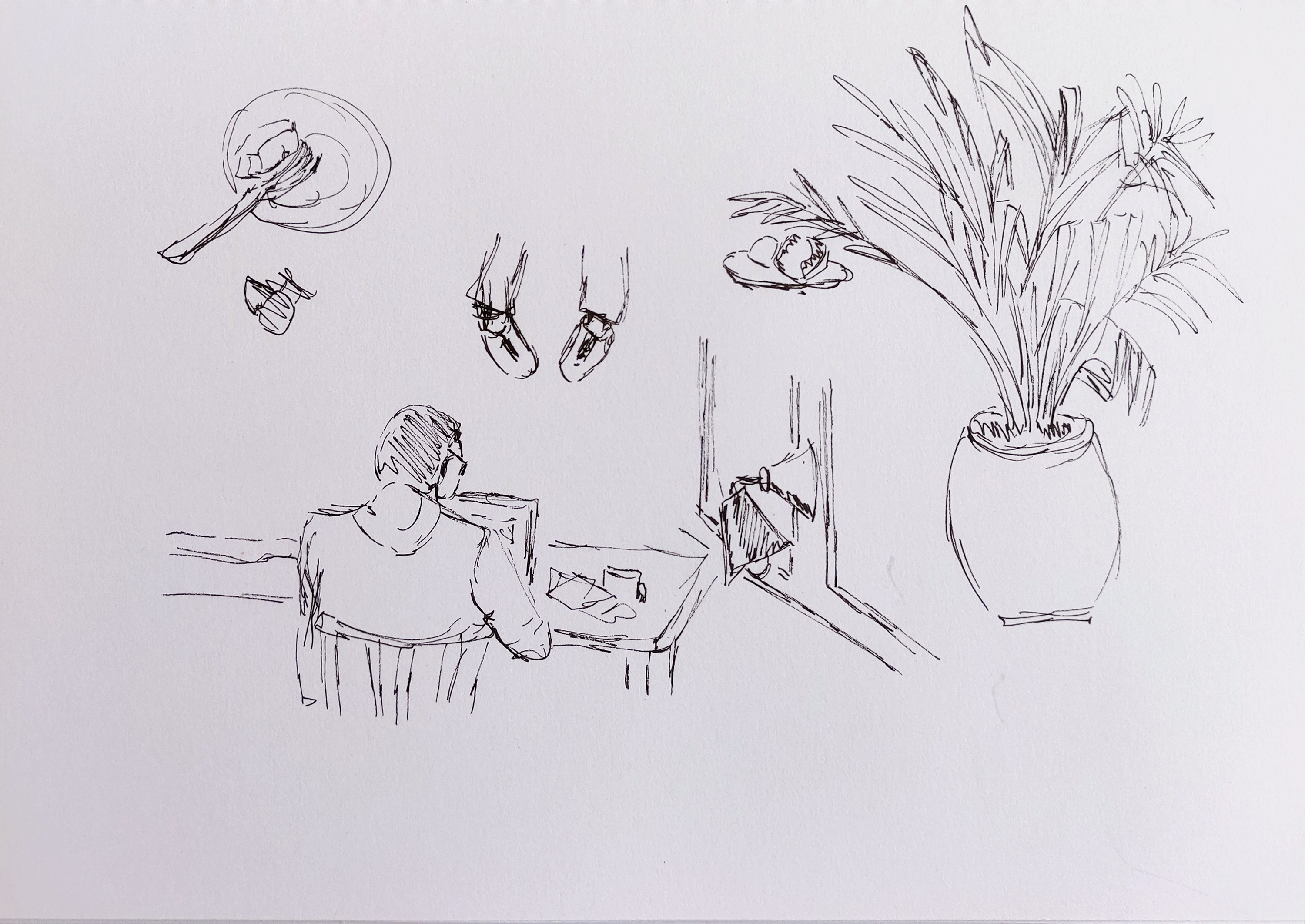
Although I initially took watercolour pencils, I felt more confident to draw with a black fine liner and ended up not adding colour. However, I would like to persevere and feel more confident to create colourful sketches on location.
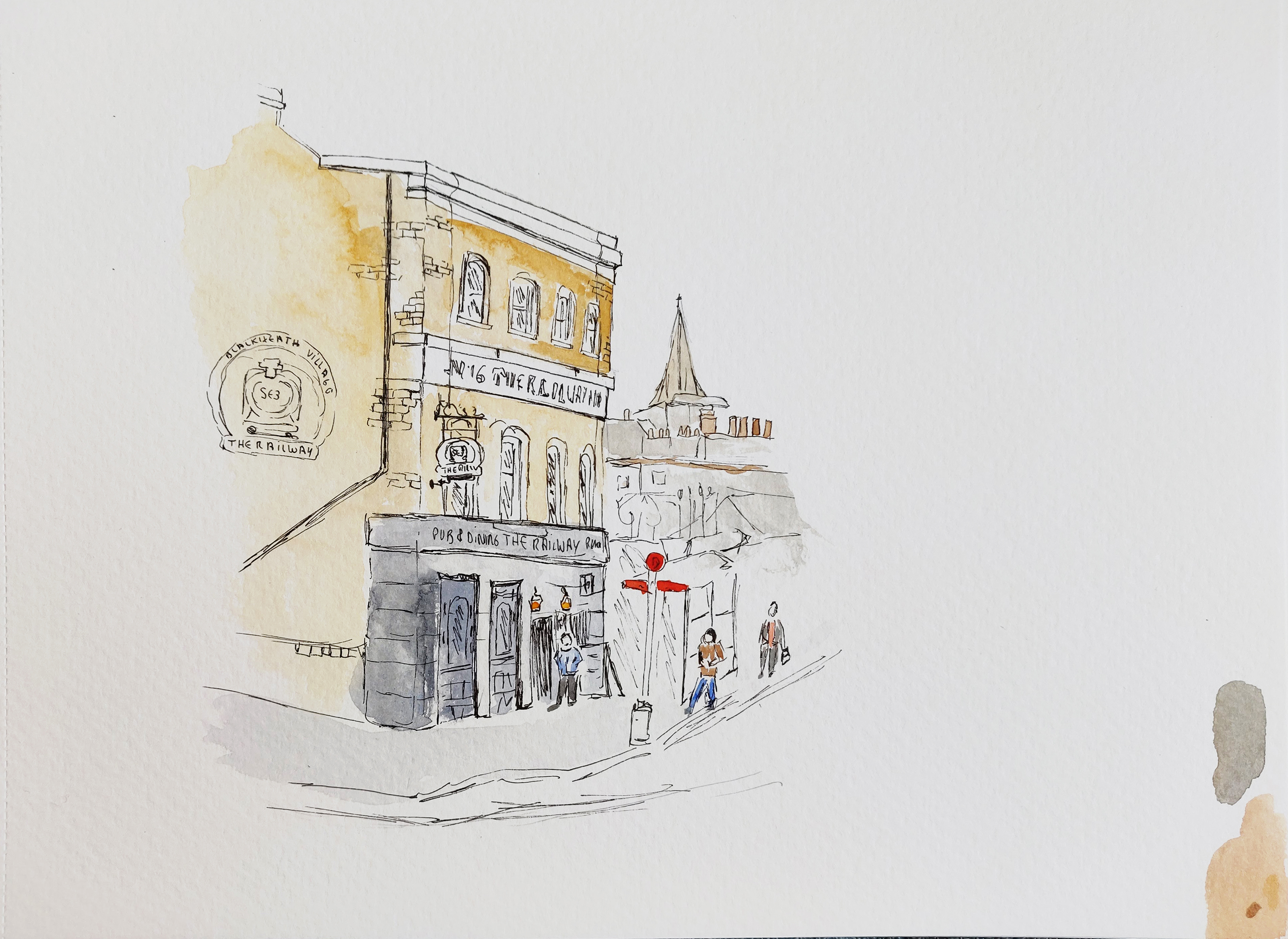
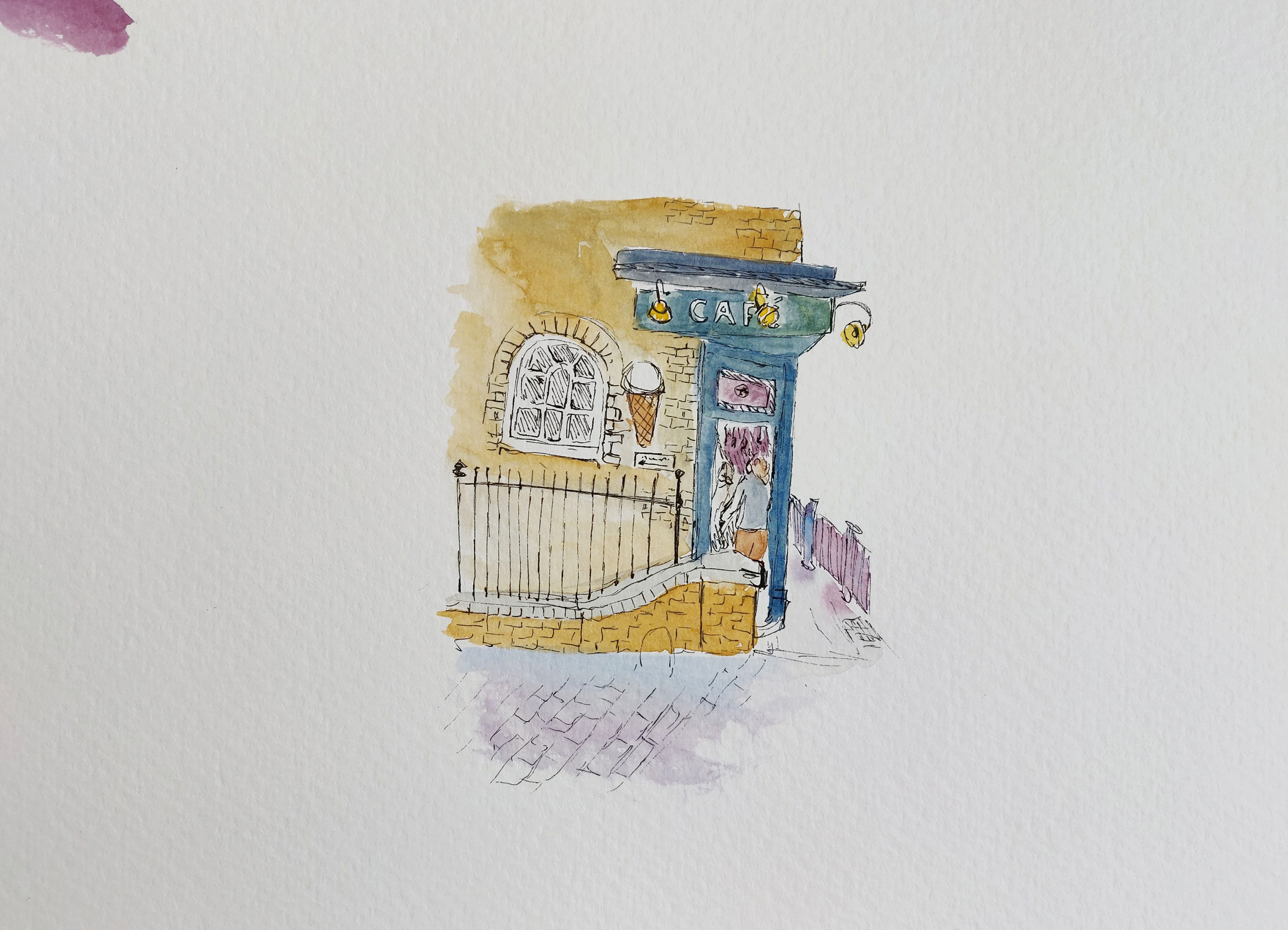
I also created some drawings at home based on some of the pictures. After drawing on location, I like having more time to spend on some sketches at home.


What went well
Once I start, I enjoy drawing on location. Even if the sketches are not always a success, it helps to add spontaneity to my drawings in general as I have to draw fast.
I used watercolour paint in some of the sketches and really liked it. So far, I tended to use watercolour pencils (which can be very useful if I cannot use water) and I had the feeling that paint was more complicated. However, this time, I felt more confident with this media.
To find inspiration, I often return to two books from the collection, “The Urban Sketching Handbook”: “Working with Colour” by Shari Blaukopf and “101 Sketching Tips” by Stephanie Bower. They contain valuable tips to sketch on location as well as many great sketches to illustrate the comments.
What I could have done differently and difficulties I encountered
I now realised that the sketches I created with watercolour are rather flat and I did not add depth with shadows and highlights. I need to make a conscious effort to concentrate on that aspect as this is often an issue with my drawings.
Every time I try to sketch on location, I spend too much time thinking about what would be a good sketch. However, once I start, I often find that my favourite sketches are not the ones I anticipated and it is better to draw something than to think too much about it.
I particularly find it difficult to draw people as I feel that no matter how discreet I try to be, they might feel observed. As a result, I often end up drawing people walking away.
It is also a challenge to draw when everything and everyone is moving. I tried to draw dogs as there are so many around Blackheath but was not so successful.
I made an effort to take some notes but this is not something I do easily. I prefer to take pictures to keep a reference of the place. Sometimes I found it useful to take notes about the weather or a particular atmosphere.
What to take forward
I would like to sketch on location more often and practice sketching straight away without thinking of the outcome.
When I add colours to a sketch, I need to decide where to apply highlights and shadows and ask myself if my final drawing has some depth.
Edits
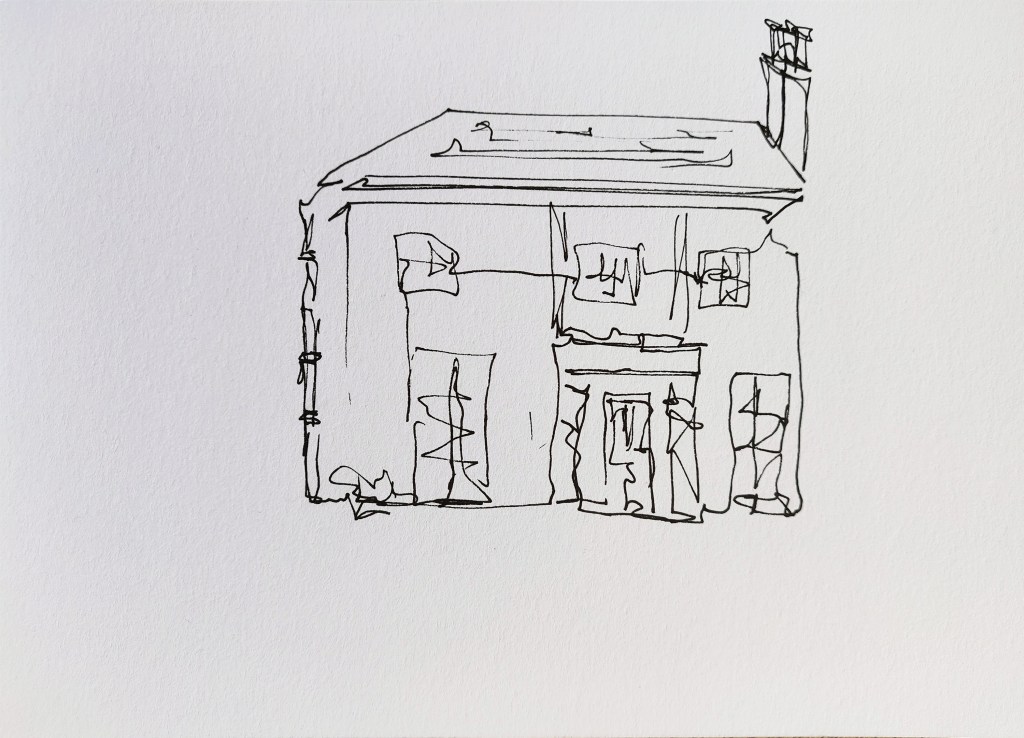
At the end of this unit, I wanted to experiment again with a few techniques recommended by my tutor: using only a few lines to draw an object and taking notes about the light, the noises and the general mood of my surroundings. I was also inspired by a YouTube video by TobySketchLoose (www.youtube.com/watch?v=3je9c0w8QWI) and wanted to try to create some sketches with continuous lines.
Below are the sketches I created:
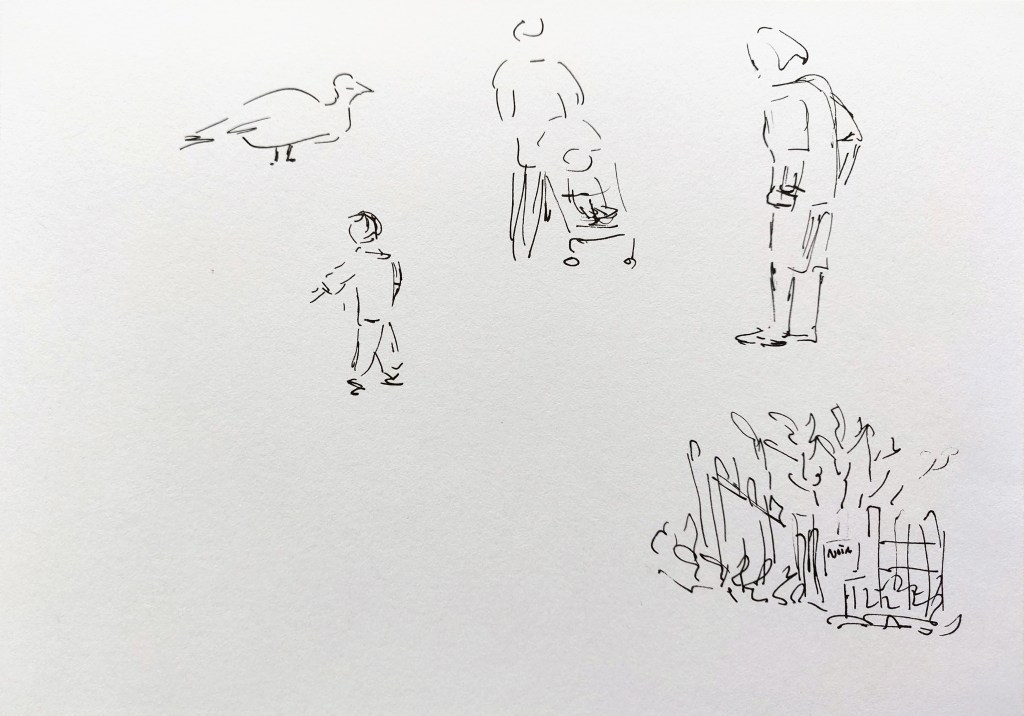

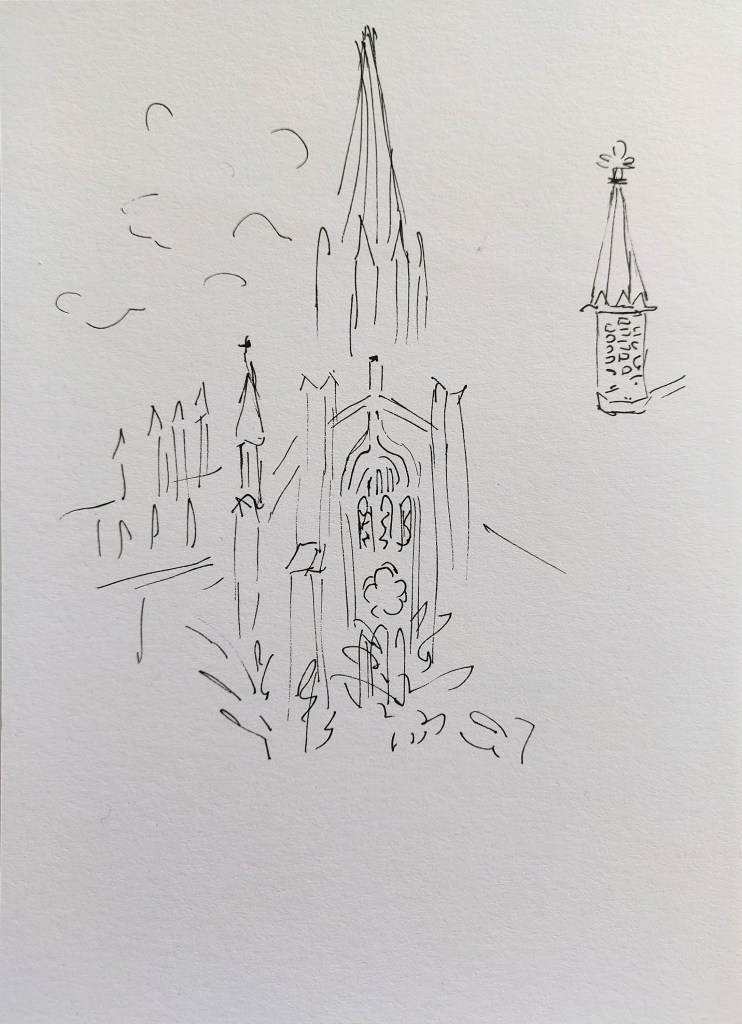


I really liked using only a few lines (sketches #1, 2 and 3) and I can see how this a very good exercise to loosen my sketches and concentrate on the movement.
I tend to struggle to take notes about my surroundings. However, even when I took a few notes, I noticed how I started to observe my surroundings more and, in a sense, capture the moment better.
I found drawing with continuous lines more difficult than I anticipated as it is not an exercise I have done very often (#4 and 6). However, I could really see how this technique could help with my sketches as it is impossible to pay too much attention to details and, again, it helps to create more dynamic sketches.
It was an interesting exercise to make a conscious effort to try these techniques without worrying too much about the outcome. Although I tried these approaches to sketching in the past, I think I have understood better how I could benefit from practising in that way.
 Catherine Roux Degree in Illustration